GOOD PRACTICE #3 | Turning Research Outcomes into Interactive Experiences

The Challenge
One of the main challenges faced by collaborative research projects is demonstrating the real value of their results to audiences beyond the consortium. While reports, publications and presentations are essential, they often cannot fully convey how different project outcomes work together to address real-world challenges.
For projects in the field of Connected, Cooperative and Automated Mobility (CCAM), creating opportunities for stakeholders to interact directly with technologies, tools and methodologies is particularly important to foster understanding, trust and future uptake.
The BERTHA Approach
To maximise the impact of its results, BERTHA will conclude its journey with the final event “BERTHA in Action – Showcasing Results, Demonstrators and Future Impact”, taking place in Brussels on 21 October 2026.
Rather than organising a traditional final conference, the consortium has designed an event that combines project presentations, discussions on future CCAM developments and an extensive exhibition area where visitors can discover BERTHA’s innovations through dedicated demonstration stations.
The exhibition area has been structured around key thematic stations, allowing participants to explore different aspects of the BERTHA ecosystem:
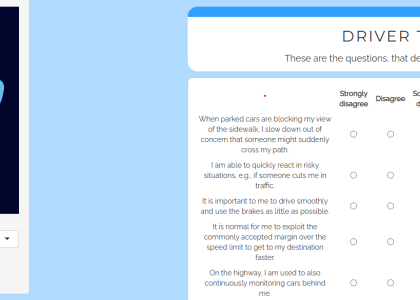
- Human Factors and Acceptance, showcasing driver typology methodologies and user acceptance results.
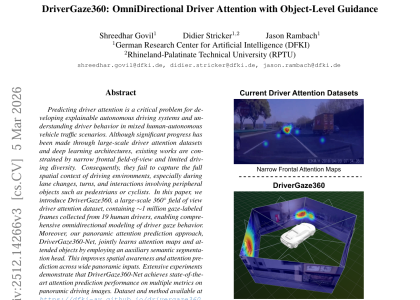
- Driver Behaviour Modelling and Module Integration, presenting perception, cognition and affective modelling capabilities.
- ADAS and Driving Function Validation, demonstrating how BERTHA developments can support the validation and improvement of automated driving technologies.
- HUB and Data Management Demonstrators, showcasing the end-to-end integration of simulation environments, scenario generation, data handling and analytics platforms.
- CARLA-based Demonstrators, illustrating simulation-based validation approaches for automated driving systems.
Why Is This a Good Practice?
BERTHA demonstrates how a final project event can do more than showcase results. By combining scientific presentations, stakeholder discussions and interactive demonstrators, the event becomes a strategic tool for increasing the visibility, uptake and long-term value of research outcomes.
Key elements include:
- Transforming research results into interactive experiences, allowing participants to engage directly with BERTHA’s tools, methodologies and technological developments.
- Organising project outcomes into thematic demonstration stations, making complex research more accessible and easier to navigate for different stakeholder groups.
- Providing a holistic view of the project’s achievements, illustrating how individual developments contribute to a common vision for human-centred automated driving.
- Fostering direct exchanges between researchers, industry representatives and policymakers, creating opportunities for discussion, feedback and future collaboration.
- Extending the impact of project results beyond the project’s duration, by increasing visibility, encouraging uptake and supporting future exploitation opportunities.
The Impact
By organising its final event around thematic demonstration stations, BERTHA creates a dynamic environment where participants can move from one innovation area to another and gain a comprehensive understanding of the project’s achievements.
This approach not only increases the visibility of individual results but also highlights the connections between behavioural modelling, simulation, data management, validation activities and automated driving applications. By showcasing these innovations within a common framework, BERTHA helps stakeholders understand how different project developments contribute to the future of human-centred CCAM and how they may be further exploited beyond the project’s lifetime.
Looking Towards the Future
As BERTHA concludes its journey, the final event serves as both a showcase of accomplishments and a platform for future collaboration.
“BERTHA in Action – Showcasing Results, Demonstrators and Future Impact” reflects a key lesson learned throughout the project: research creates the greatest value when results are shared, experienced and discussed with the wider community.
By bringing together researchers, industry representatives, policymakers and mobility stakeholders, BERTHA creates an opportunity for its results to continue generating value beyond the project’s lifetime, supporting future research, innovation and deployment activities in the field of human-centred CCAM.